As a supplier of wastewater recycling systems, I’ve witnessed firsthand the incredible journey of wastewater as it transforms from a contaminated stream into a clean and reusable resource. In this blog, I’ll delve into the intricacies of how our wastewater recycling systems effectively remove contaminants, ensuring a sustainable and efficient approach to water management. Wastewater Recycling System

Understanding the Contaminants in Wastewater
Before we explore the removal processes, it’s crucial to understand the types of contaminants commonly found in wastewater. Wastewater can contain a wide range of pollutants, including organic matter, suspended solids, heavy metals, pathogens, and nutrients such as nitrogen and phosphorus. These contaminants can have detrimental effects on the environment and human health if not properly treated.
Organic matter, such as food waste, sewage, and industrial byproducts, can deplete oxygen levels in water bodies, leading to the death of aquatic life. Suspended solids, including sediment, debris, and microorganisms, can cause turbidity and clog pipes and treatment equipment. Heavy metals, such as lead, mercury, and cadmium, are toxic and can accumulate in the food chain, posing a significant risk to human health. Pathogens, such as bacteria, viruses, and parasites, can cause waterborne diseases, including diarrhea, cholera, and hepatitis. Nutrients, such as nitrogen and phosphorus, can cause eutrophication, leading to the growth of harmful algal blooms and the degradation of water quality.
Primary Treatment: Removing Large Solids and Debris
The first step in the wastewater treatment process is primary treatment, which involves the removal of large solids and debris from the wastewater. This is typically achieved through a combination of physical processes, such as screening and sedimentation.
Screening is the process of passing the wastewater through a series of screens or grates to remove large objects, such as sticks, leaves, and plastics. This helps to prevent damage to the treatment equipment and reduce the load on the subsequent treatment processes.
Sedimentation is the process of allowing the wastewater to settle in a large tank or basin, where the heavier solids sink to the bottom and form a sludge layer. The clarified water, known as the supernatant, is then removed from the top of the tank and sent to the next stage of treatment.
Secondary Treatment: Breaking Down Organic Matter
The next step in the wastewater treatment process is secondary treatment, which involves the biological breakdown of organic matter in the wastewater. This is typically achieved through a combination of aerobic and anaerobic processes.
Aerobic treatment involves the use of microorganisms, such as bacteria and fungi, to break down the organic matter in the wastewater in the presence of oxygen. This process is typically carried out in a biological reactor, such as an activated sludge system or a trickling filter.
Anaerobic treatment involves the use of microorganisms to break down the organic matter in the wastewater in the absence of oxygen. This process is typically carried out in an anaerobic digester, where the organic matter is converted into biogas, which can be used as a renewable energy source.
Tertiary Treatment: Removing Nutrients and Pathogens
The final step in the wastewater treatment process is tertiary treatment, which involves the removal of nutrients and pathogens from the wastewater. This is typically achieved through a combination of physical, chemical, and biological processes.
Physical processes, such as filtration and membrane separation, can be used to remove suspended solids, bacteria, and viruses from the wastewater. Chemical processes, such as disinfection and oxidation, can be used to kill pathogens and remove organic matter from the wastewater. Biological processes, such as denitrification and phosphorus removal, can be used to remove nutrients from the wastewater.
Advanced Treatment Technologies
In addition to the traditional treatment processes, there are also a number of advanced treatment technologies that can be used to remove contaminants from wastewater. These technologies include reverse osmosis, nanofiltration, ultraviolet disinfection, and advanced oxidation processes.
Reverse osmosis is a membrane filtration process that uses a semi-permeable membrane to remove dissolved solids, such as salts and heavy metals, from the wastewater. Nanofiltration is a similar process that uses a membrane with a smaller pore size to remove smaller particles and dissolved organic matter from the wastewater.
Ultraviolet disinfection is a chemical-free process that uses ultraviolet light to kill pathogens in the wastewater. Advanced oxidation processes, such as ozone oxidation and hydrogen peroxide oxidation, can be used to break down organic matter and remove contaminants from the wastewater.
Monitoring and Control
To ensure the effectiveness of the wastewater treatment process, it is essential to monitor and control the quality of the wastewater at each stage of treatment. This involves the use of a variety of analytical techniques, such as chemical analysis, microbiological analysis, and online monitoring systems.
Chemical analysis can be used to measure the concentration of various contaminants in the wastewater, such as organic matter, nutrients, and heavy metals. Microbiological analysis can be used to detect the presence of pathogens in the wastewater, such as bacteria, viruses, and parasites. Online monitoring systems can be used to continuously monitor the quality of the wastewater and provide real-time feedback on the performance of the treatment process.
Conclusion
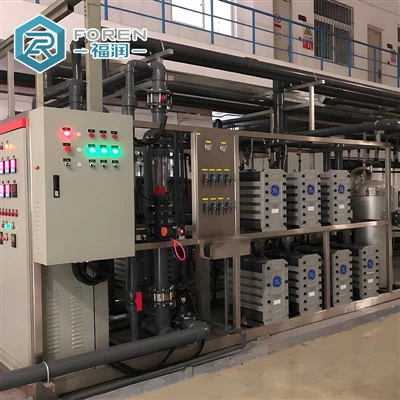
In conclusion, wastewater recycling systems play a crucial role in removing contaminants from wastewater and ensuring a sustainable and efficient approach to water management. By understanding the types of contaminants in wastewater and the processes used to remove them, we can design and implement effective wastewater treatment systems that meet the specific needs of our customers.
Packaging Equipment If you’re interested in learning more about our wastewater recycling systems or discussing your specific wastewater treatment needs, please don’t hesitate to contact us. We’d be happy to provide you with more information and help you find the best solution for your business.
References
- Metcalf & Eddy. (2003). Wastewater Engineering: Treatment and Reuse (4th ed.). McGraw-Hill.
- Tchobanoglous, G., Burton, F. L., & Stensel, H. D. (2003). Wastewater Engineering: Treatment and Reuse (4th ed.). McGraw-Hill.
- USEPA. (2012). Wastewater Technology Fact Sheet: Membrane Bioreactors. United States Environmental Protection Agency.
- USEPA. (2013). Wastewater Technology Fact Sheet: Reverse Osmosis. United States Environmental Protection Agency.
Qingzhou Foren Water Treatment Equipment Co., Ltd.
As one of the most professional wastewater recycling system manufacturers and suppliers in China, we offer a wide range of products with superior quality. Please feel free to buy customized wastewater recycling system made in China here from our factory. Contact us for quotation.
Address: No.999 Haidai North Road, Economic development Zone, Qingzhou City, Shandong Province
E-mail: alice@forenwater.com
WebSite: https://www.forenwater.com/
