Hey there, folks! I’m part of a wastewater treatment system supplier team, and today, I wanna chat about something super important: the significance of disinfection in a wastewater treatment system. Wastewater Treatment System
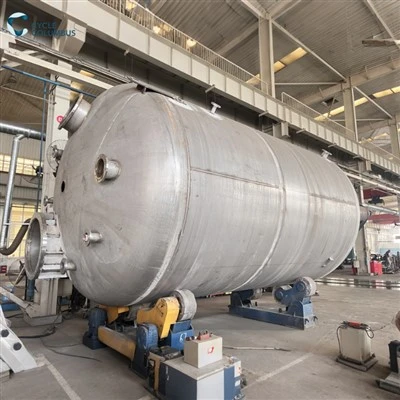
Let’s start by getting a basic understanding of what wastewater treatment is all about. You see, wastewater comes from all sorts of places – our homes, industries, and even hospitals. It’s full of all kinds of stuff that’s just not good news for the environment or human health. Things like bacteria, viruses, and other pathogens can be in there, along with chemicals and other pollutants.
Now, the wastewater treatment process has several steps. First off, there’s the primary treatment. This is where big stuff like sticks, trash, and large debris are removed. It’s like doing a big filter to get rid of the obvious junk. Then comes the secondary treatment. Here, microorganisms are used to break down organic matter. It’s kind of like a natural cleanup crew that eats up all the yucky organic stuff in the water.
But here’s where disinfection steps in. After the primary and secondary treatments, there are still some harmful pathogens left in the water. That’s where disinfection becomes a game – changer.
One of the main reasons disinfection is so significant is public health. When wastewater is released back into the environment, it can end up in rivers, lakes, and even the ocean. If that water isn’t disinfected properly, it can spread all sorts of diseases. For example, bacteria like E. coli can cause serious gastrointestinal problems if people come into contact with contaminated water. Viruses such as norovirus, which can cause vomiting and diarrhea, can also be present in untreated wastewater. By disinfecting the wastewater, we’re making sure that these pathogens are killed off, protecting public health and reducing the risk of water – borne diseases.
Another key aspect is environmental protection. Aquatic ecosystems are incredibly sensitive. When untreated or inadequately disinfected wastewater enters water bodies, it can disrupt the balance of these ecosystems. Fish and other aquatic life can be affected by the harmful pathogens and pollutants. For instance, high levels of bacteria can reduce the oxygen levels in the water as they decompose, which can lead to fish kills. Disinfection helps to minimize these negative impacts on the environment, allowing aquatic ecosystems to thrive.
Let’s talk about the different disinfection methods. One of the most commonly used methods is chlorination. Chlorine is a powerful disinfectant. It’s relatively cheap and easy to use. When chlorine is added to the wastewater, it reacts with the pathogens and destroys them. However, there are some downsides to chlorination. It can form disinfection by – products, like trihalomethanes, which are potentially harmful to human health. Another issue is that chlorine can be toxic to some aquatic organisms if it’s not properly removed before the water is released into the environment.
UV disinfection is another great option. UV light has germicidal properties. When wastewater passes through a UV reactor, the UV light damages the DNA of the pathogens, preventing them from reproducing. It’s a chemical – free method, which means there are no disinfection by – products. This makes it an environmentally friendly option. However, UV disinfection might not be as effective in turbid water, as the particles in the water can block the UV light from reaching the pathogens.
We also have ozonation. Ozone is a very strong oxidizing agent. It can quickly kill pathogens and break down some organic pollutants. Ozonation is effective against a wide range of microorganisms, including some that are resistant to other disinfectants. But the drawback is that it’s more expensive to set up and operate compared to chlorination or UV disinfection.
As a wastewater treatment system supplier, we understand the importance of choosing the right disinfection method for each specific situation. We work closely with our clients to figure out what their needs are. For a small – scale wastewater treatment plant in a rural area, cost – effectiveness might be the top priority, so chlorination could be a good choice. On the other hand, if the client is worried about environmental impacts or has strict regulations regarding disinfection by – products, UV disinfection or ozonation might be more suitable.
In industries, disinfection is even more crucial. Industrial wastewater often contains not only pathogens but also chemicals and heavy metals. For example, in the food and beverage industry, the wastewater can have high levels of organic matter and bacteria. Proper disinfection ensures that the water is safe to discharge and doesn’t contaminate the environment. In the pharmaceutical industry, where the wastewater might contain traces of drugs and other contaminants, advanced disinfection methods are necessary to prevent the spread of antibiotic – resistant bacteria and other harmful substances.
Hospitals are another major source of wastewater that requires thorough disinfection. Hospital wastewater can contain all sorts of dangerous pathogens, including those that are highly resistant to antibiotics. If this wastewater isn’t disinfected properly, it can spread these superbugs into the environment, posing a huge threat to public health. As a supplier, we offer customized disinfection solutions for hospitals to make sure that their wastewater is treated safely and effectively.
Now, if you’re in the market for a wastewater treatment system, or if you’re looking to upgrade your existing system’s disinfection capabilities, we’re here to help. We’ve got a team of experts who can assess your specific needs, recommend the best disinfection method for you, and provide you with a high – quality system. Whether you’re a small municipality, a large industrial facility, or a hospital, we’ve got the knowledge and experience to deliver a solution that works for you.
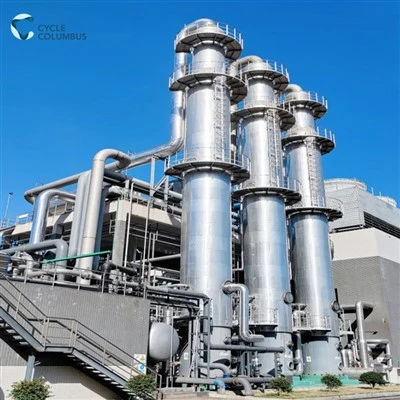
Don’t hesitate to reach out to us. We’re more than happy to have a chat, answer your questions, and start a conversation about how we can help you with your wastewater treatment and disinfection needs. Let’s work together to make sure that our water is clean and safe, for the sake of our health and the environment.
Stirred Tank Reactor References:
- Tchobanoglous, G., Burton, F. L., & Stensel, H. D. (2003). Wastewater engineering: Treatment and reuse. McGraw – Hill.
- Metcalf & Eddy, Inc. (2014). Wastewater engineering: Treatment, disposal, and reuse. McGraw – Hill Education.
Beijing Cycle Columbus Environmental Science & Technology Co., Ltd.
Beijing Cycle Columbus Environmental Science & Technology Co., Ltd. is one of the most professional wastewater treatment system manufacturers and suppliers in China. We are committed to providing high quality customized products with competitive price. Please feel free to buy advanced wastewater treatment system made in China here from our factory. Also, quotation is available.
Address: 1201, 12/F, Tower B, Bldg 8, Guancheng Garden, Haidian District, Beijing, China
E-mail: Info@saikekanglun.com
WebSite: https://www.cycle-columbus.com/
