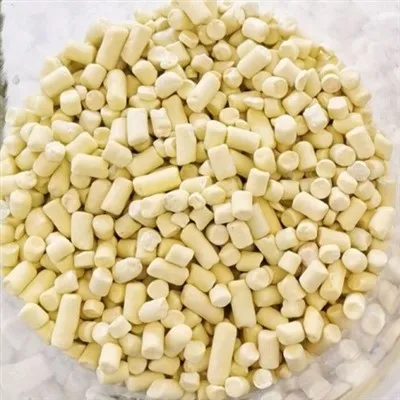
Dithiocarbamate collectors are widely used in the flotation process to enhance the separation of valuable minerals from gangue materials. As a supplier of dithiocarbamate collectors, I have witnessed firsthand the significant impact these chemicals have on flotation kinetics. In this blog post, I will explore the effects of dithiocarbamate collectors on flotation kinetics, discussing both the positive and negative aspects, and how they can be optimized for efficient mineral processing. Dithiocarbamate Collectors
Positive Effects of Dithiocarbamate Collectors on Flotation Kinetics
Selective Adsorption
One of the primary advantages of dithiocarbamate collectors is their ability to selectively adsorb onto the surface of target minerals. This selectivity is crucial for achieving high-grade concentrates in flotation. Dithiocarbamates have a strong affinity for certain metal sulfide minerals, such as copper, lead, and zinc sulfides. When added to the flotation pulp, they preferentially adsorb onto the surface of these valuable minerals, rendering them hydrophobic. This hydrophobicity allows the minerals to attach to air bubbles and rise to the surface of the flotation cell, where they can be collected as a concentrate.
The selective adsorption of dithiocarbamate collectors is due to their chemical structure. The dithiocarbamate functional group contains two sulfur atoms and a nitrogen atom, which can form strong bonds with metal ions on the mineral surface. This interaction is highly specific, depending on the nature of the metal ion and the structure of the dithiocarbamate molecule. For example, different dithiocarbamates may have different selectivities for copper, lead, or zinc sulfides, allowing for the optimization of the flotation process based on the specific mineralogy of the ore.
Enhanced Bubble – Mineral Attachment
Dithiocarbamate collectors also play a crucial role in enhancing the attachment of minerals to air bubbles. Once the collector has adsorbed onto the mineral surface, it reduces the surface energy of the mineral, making it more favorable for the air bubble to attach. The hydrophobic nature of the collector – coated mineral surface allows for a strong adhesion between the mineral and the bubble, which is essential for the flotation process.
The efficiency of bubble – mineral attachment is influenced by several factors, including the collector dosage, the bubble size, and the pulp chemistry. Dithiocarbamate collectors can be adjusted in terms of their dosage to optimize the hydrophobicity of the mineral surface. A proper dosage ensures that the mineral surface is sufficiently hydrophobic for bubble attachment without causing excessive frothing or non – selective flotation. Additionally, the presence of dithiocarbamate collectors can also affect the stability and size of the air bubbles in the flotation pulp. They can act as froth stabilizers, helping to maintain a stable froth layer and preventing the coalescence of bubbles, which is beneficial for the recovery of fine particles.
Improved Flotation Rate
The selective adsorption and enhanced bubble – mineral attachment provided by dithiocarbamate collectors result in an improved flotation rate. In flotation kinetics, the rate at which minerals are recovered is a critical parameter. A faster flotation rate means that more valuable minerals can be recovered in a shorter period of time, increasing the overall efficiency of the flotation process.
Dithiocarbamate collectors can accelerate the flotation rate by reducing the activation energy required for the bubble – mineral attachment. The strong interaction between the collector and the mineral surface facilitates the formation of a stable attachment between the bubble and the mineral, allowing for a more rapid transfer of the mineral to the froth phase. This is particularly important for fine – grained minerals, which are often more difficult to float due to their small size and high surface area. By improving the flotation rate, dithiocarbamate collectors can increase the recovery of fine particles and improve the overall performance of the flotation circuit.
Negative Effects of Dithiocarbamate Collectors on Flotation Kinetics
Non – Selective Flotation
While dithiocarbamate collectors are generally selective for certain metal sulfide minerals, there is a risk of non – selective flotation under certain conditions. If the collector dosage is too high or the pulp chemistry is not properly controlled, dithiocarbamates may adsorb onto non – target minerals or gangue materials, causing them to float along with the valuable minerals. This can result in a lower grade of the concentrate and a higher loss of valuable minerals in the tailings.
Non – selective flotation can also be influenced by the presence of other chemicals in the flotation pulp. For example, the presence of certain metal ions or pH – adjusting agents can affect the selectivity of dithiocarbamate collectors. In some cases, these chemicals may interact with the collector or the mineral surface, altering the adsorption behavior and reducing the selectivity of the flotation process.
Froth Stability Issues
Although dithiocarbamate collectors can act as froth stabilizers, excessive froth stability can also be a problem in flotation. If the froth is too stable, it may be difficult to separate the concentrate from the froth phase, leading to a lower recovery of valuable minerals. Additionally, a stable froth can also cause problems in the downstream processing of the concentrate, such as in filtration and dewatering.
The froth stability is influenced by the collector type, dosage, and the presence of other frothing agents in the flotation pulp. Some dithiocarbamates may have a stronger froth – stabilizing effect than others, and the dosage needs to be carefully adjusted to achieve the optimal froth stability. In some cases, additional froth – breaking agents may be required to control the froth and improve the separation efficiency.
Optimizing the Use of Dithiocarbamate Collectors for Flotation Kinetics
Dosage Optimization
One of the key factors in optimizing the use of dithiocarbamate collectors is the dosage. The optimal dosage depends on several factors, including the mineralogy of the ore, the pulp chemistry, and the flotation conditions. A too – low dosage may result in insufficient hydrophobicity of the target minerals, leading to a low recovery, while a too – high dosage may cause non – selective flotation and froth stability issues.
To determine the optimal dosage, laboratory tests are usually conducted on representative ore samples. These tests involve varying the collector dosage and measuring the flotation performance, such as the recovery and grade of the concentrate. Based on the results of these tests, the optimal dosage can be determined for the specific ore and flotation conditions.
Pulp Chemistry Control
Pulp chemistry plays a crucial role in the performance of dithiocarbamate collectors. The pH of the pulp, the presence of metal ions, and the concentration of other chemicals can all affect the adsorption behavior of the collectors and the flotation kinetics. For example, the pH can influence the surface charge of the minerals and the ionization state of the dithiocarbamate collectors, which in turn affects their adsorption and selectivity.
To optimize the pulp chemistry, it is important to monitor and control the pH, the concentration of metal ions, and the addition of other chemicals such as depressants and activators. By maintaining the proper pulp chemistry, the selectivity and efficiency of the flotation process can be improved.
Collector Selection
There are different types of dithiocarbamate collectors available, each with its own properties and selectivities. The choice of collector depends on the specific mineralogy of the ore and the flotation requirements. For example, some dithiocarbamates may be more suitable for copper sulfide flotation, while others may be better for lead or zinc sulfide flotation.
When selecting a dithiocarbamate collector, it is important to consider factors such as the selectivity, the flotation rate, the froth stability, and the cost. Laboratory tests can be used to evaluate the performance of different collectors and select the most appropriate one for the specific application.
Conclusion
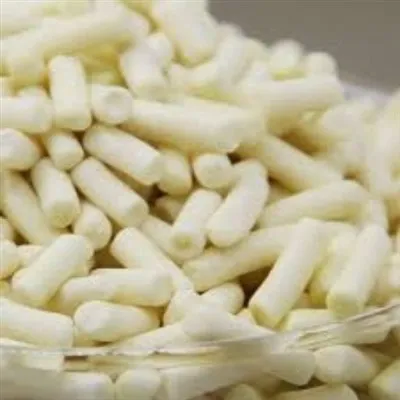
Dithiocarbamate collectors have a significant impact on flotation kinetics, both positive and negative. Their selective adsorption, enhanced bubble – mineral attachment, and improved flotation rate make them valuable tools in the flotation of metal sulfide minerals. However, non – selective flotation and froth stability issues need to be carefully managed to ensure the efficient and effective use of these collectors.
Frother As a supplier of dithiocarbamate collectors, I am committed to providing high – quality products and technical support to our customers. We understand the importance of optimizing the use of dithiocarbamate collectors for flotation kinetics and are willing to work with our customers to develop customized solutions based on their specific needs. If you are interested in learning more about our dithiocarbamate collectors or have any questions regarding their use in your flotation process, please feel free to contact us for a procurement discussion.
References
- Somasundaran, P., & Agar, G. E. (1974). Adsorption of dithiocarbamates on metal sulfides. Journal of Colloid and Interface Science, 47(3), 497 – 507.
- Fuerstenau, M. C., & Han, K. N. (2003). Froth Flotation: A Century of Innovation. Society for Mining, Metallurgy, and Exploration.
- Harris, G. H., & Ralston, J. (1986). The role of dithiocarbamate collectors in the flotation of sulfide minerals. International Journal of Mineral Processing, 17(1 – 2), 1 – 20.
Bitop Bihope Qingdao Mining Co., Ltd
Bitop Bihope Qingdao Mining Co., Ltd. is one of the most professional sulfur and nitrogen manufacturers and suppliers in China, featured by quality products and low price. Please rest assured to buy discount sulfur and nitrogen in stock here and get quotation from our factory. Customized orders are welcome.
Address: Room 410, 4th Floor, Shengquan Business Building, No. 263 Yitong Road, Huangdao District, Qingdao City, Shandong Province, China
E-mail: btbhmining@163.com
WebSite: https://www.btbhmining.com/
