Can a Wheat Roller Mill Be Used for Pre – Grinding of Wheat Before Further Processing?
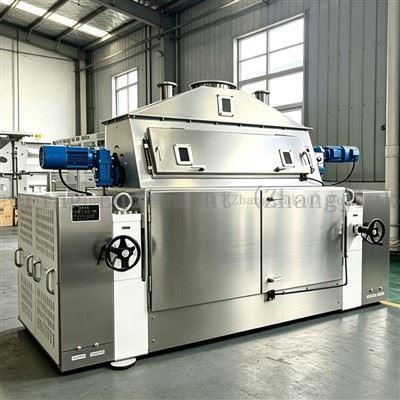
As a supplier of wheat roller mills, I’ve encountered numerous inquiries from clients about the versatility and specific applications of our equipment. One question that frequently arises is whether a wheat roller mill can be used for pre – grinding wheat before it undergoes further processing. In this blog post, I’ll delve into the technical aspects, benefits, and practical considerations of using a wheat roller mill for pre – grinding. Wheat Roller Mill
Technical Feasibility of Pre – Grinding with a Wheat Roller Mill
A wheat roller mill operates on the principle of using a pair or multiple pairs of rotating rollers to crush and grind wheat grains. The rollers have different surface characteristics, such as smooth or corrugated, and rotate at different speeds. This differential speed and surface texture allow for the controlled breakdown of wheat kernels.
When it comes to pre – grinding, the wheat roller mill is well – suited for the task. The initial stage of pre – grinding aims to break the wheat kernels into smaller pieces without fully pulverizing them. The corrugated rollers of a wheat roller mill are particularly effective in this regard. The corrugations grip the wheat kernels, and as the rollers rotate at different speeds, they apply shear and compression forces. This causes the kernels to crack open, separating the bran, germ, and endosperm to some extent.
The adjustable gap between the rollers is another crucial factor. For pre – grinding, the gap can be set wider than when full – scale grinding is required. This wider gap ensures that the wheat is only partially broken down, resulting in a coarse grind that is ideal for further processing. The mill’s ability to control the size and consistency of the pre – ground wheat is essential for the subsequent processing steps, which could include processes like screening, sifting, or further refining.
Benefits of Pre – Grinding Wheat with a Roller Mill
Improved Efficiency in Further Processing
Pre – grinding with a wheat roller mill significantly enhances the efficiency of subsequent processing steps. By breaking the wheat kernels into smaller pieces, the surface area of the wheat is increased. This means that in later processes such as milling for flour production or fermentation in the case of brewing, the enzymes or mechanical forces can act more effectively on the pre – ground wheat. For example, in flour milling, the pre – ground wheat can pass through the main milling stages more quickly, reducing the overall processing time and energy consumption.
Better Bran Separation
One of the key aspects of wheat processing is the separation of the bran from the endosperm. Pre – grinding with a roller mill helps in loosening the bran from the endosperm. The initial cracking of the kernels allows the bran to be more easily removed during subsequent sifting and screening processes. This is important as a high – quality endosperm is essential for producing high – grade flour. The pre – grinding process also helps in reducing the amount of bran that may be incorporated into the final flour, resulting in a cleaner and finer product.
Enhanced Nutrient Extraction
In some cases, wheat processing aims to extract specific nutrients from the wheat. Pre – grinding can facilitate this process. By breaking the kernels into smaller pieces, the nutrients are more accessible. For example, if the goal is to extract the germ for its high – value nutrients such as vitamins and oils, pre – grinding makes it easier to separate the germ from the rest of the kernel. This can lead to higher yields of valuable nutrients during the extraction process.
Practical Considerations for Pre – Grinding
Wheat Quality and Moisture Content
The quality and moisture content of the wheat play a crucial role in the pre – grinding process. Wheat with high moisture content can be more difficult to pre – grind as it may cause the kernels to clump together and stick to the rollers. This can lead to uneven grinding and reduced efficiency. It is recommended to adjust the moisture content of the wheat before pre – grinding. For most wheat varieties, a moisture content of around 12 – 14% is ideal for optimal pre – grinding performance.
Roller Selection and Maintenance
The choice of rollers is important for effective pre – grinding. As mentioned earlier, corrugated rollers are generally preferred for the initial pre – grinding stage. However, the type and pitch of the corrugations can vary depending on the wheat variety and the desired pre – grinding outcome. Regular maintenance of the rollers is also essential. Over time, the rollers can wear out, which can affect the quality and consistency of the pre – ground wheat. Proper cleaning, lubrication, and occasional resurfacing of the rollers are necessary to ensure their long – term performance.
Process Integration
When using a wheat roller mill for pre – grinding, it is important to integrate the process with the subsequent processing steps. The pre – ground wheat should be transferred smoothly to the next stage, whether it is a screening machine, a further milling unit, or a fermentation tank. This requires careful consideration of the material handling systems, such as conveyors and hoppers, to ensure a continuous and efficient processing flow.
Case Studies
Flour Milling Industry
In many large – scale flour mills, pre – grinding with wheat roller mills has become a standard practice. For example, a flour mill in the Midwest of the United States implemented a pre – grinding step using our wheat roller mills. Before the implementation, the mill faced challenges in achieving a consistent flour quality and had relatively high energy consumption. After introducing the pre – grinding process, the mill saw a significant improvement in the bran separation efficiency. The pre – ground wheat passed through the main milling stages more smoothly, resulting in a 15% reduction in energy consumption and a 10% increase in the production of high – grade flour.
Brewing Industry
In the brewing industry, pre – grinding wheat can also be beneficial. A craft brewery in Europe started using a wheat roller mill for pre – grinding the wheat used in their wheat beers. The pre – grinding process allowed for better extraction of the fermentable sugars from the wheat. This led to a more consistent fermentation process, resulting in a better – tasting beer with improved clarity. The brewery also reported a reduction in the amount of unfermented solids in the final product, which was a significant quality improvement.
Conclusion
In conclusion, a wheat roller mill can indeed be effectively used for the pre – grinding of wheat before further processing. The technical capabilities of the mill, such as its ability to control the grinding process and break the kernels into appropriate sizes, make it a suitable choice for pre – grinding. The benefits, including improved processing efficiency, better bran separation, and enhanced nutrient extraction, are significant advantages for various industries.
However, to achieve the best results, practical considerations such as wheat quality, roller selection and maintenance, and process integration need to be carefully addressed. By paying attention to these details, businesses can maximize the benefits of using a wheat roller mill for pre – grinding.
Commercial Grain Mill If you are interested in learning more about our wheat roller mills or have any questions about using them for pre – grinding, please feel free to contact me. We are more than happy to discuss your specific requirements and how our equipment can meet them. Our team of experts can provide you with detailed information and guidance on the best pre – grinding solutions for your wheat processing needs.
References
- Perten, D. (2007). Cereal Laboratory Instruments and Analytical Methods. Springer Science & Business Media.
- Osborne, D. J., & Affleck, R. (1997). The Analysis of Cereal Grains and Their Products. Royal Society of Chemistry.
- Posner, E. S., & Hibbs, A. H. (1997). Wheat Flour Milling. Springer.
COFCO Engineering Equipment (Zhangjiakou) Co., Ltd.
As one of the most professional wheat roller mill manufacturers and suppliers in China, we also support customized service. Please feel free to wholesale advanced wheat roller mill for sale here from our factory. Quality products and reasonable price are available.
Address: No.4 ZhongLiang Street, high-tech industrial development zone, Zhangjiakou, Hebei, PRC
E-mail: mayihui@cofco.com
WebSite: https://www.ceeflourmill.com/
