If you’ve ever worked with thin-walled plastic pipes—common in water distribution, industrial chemical transfer, or even solar heating setups—you know how tricky it can be to get a seal that doesn’t leak, crimp, or kink. As an electrofusion fittings supplier who’s fielded calls from installers and small construction crews at 2 a.m. after a botched pipe joint, I’ve seen first-hand that the mistake most people make isn’t using the wrong tools: it’s treating thin-walled pipes like thick, rigid ones. Electrofusion (EF) is the gold standard for these applications because it fuses fittings and pipe into one permanent, leak-proof bond, but it’s only reliable if you adjust every step for the pipe’s delicate, thin walls. Electrofusion Fittings

I started in this line 12 years ago, repairing faulty EF joints that contractors had rushed through on 1-inch thin-walled HDPE water lines for a residential subdivision. Half the joints failed within six months because the installer cranked the fusion time to match thick-walled pipe specs, overheating the thin walls and weakening the molecular bond. That bad experience taught me: EF for thin-walled pipe isn’t a one-size-fits-all process. It’s a series of small, intentional steps that respect both the fitting’s design and the pipe’s fragility. Let’s break this down the way I walk new installers through it when they pick up fittings from our warehouse.
First, you need to pick the right fittings and prep the pipe correctly—this is non-negotiable for thin walls. Not all electrofusion fittings are created equal for thin-walled pipe. The EF fittings I supply have a smaller internal heating coil, calibrated to melt just the outer layer of thin pipe walls without seeping into the hollow core, which would cause structural weakness. If you grab standard EF fittings designed for thick-walled pipe, their larger coils will overheat the thin wall every time. I always tell customers to check the fitting box for a “thin-wall rated” label; if it’s not there, don’t use it. No exceptions.
Next, pipe cutting and end prep. Thin-walled pipe dents and gouges easily, so a dull pipe cutter is your worst enemy here. I recommend using a scissor-style plastic pipe cutter with a sharp, replaceable blade—no hacksaws or utility knives. Hacksaws leave jagged edges that create uneven gaps between fitting and pipe, while dents from clumsy cutting become stress points that will crack under pressure. Once cut, the pipe end must be perfectly square to the fitting’s inlet. A good trick I learned years ago: after cutting, slip the pipe into the fitting’s socket (but not all the way) to check for gaps. If light seeps through between the pipe edge and the fitting wall, the cut is off and needs to be re-trimmed.
Deburring is the next critical step, and it’s way more important for thin walls than thick ones. A tiny burr—even a 1/32-inch one—creates a ridge inside the fitting that prevents the pipe from seating fully, leading to a void in the fusion bond. I use a deburring tool with a fine blade, and I only remove the inner and outer burrs for ¼ to ½ inch from the cut end. Don’t sand the entire end smooth, though—wait to do that until right before fitting insertion, not hours earlier. Plastic pipes, especially HDPE, can absorb dust and moisture if left exposed, and moisture is the enemy of good electrofusion. If the pipe end even looks dusty, I wipe it with a dry, lint-free cloth—no solvents, no alcohol. Solvents can etch the plastic and weaken the bond, and alcohol leaves residue that disrupts the molecular melt.
Now, the part that trips up 80% of first-time thin-wall EF users: fitting insertion. Thinner pipe walls have less material to melt, so you can’t jam the pipe into the fitting like you would with thick-walled pipe. The rule here is slow, steady, and fully seated, but not forced. I measure the insertion depth right on the fitting’s socket with a marker—most thin-wall EF fittings have a clear depth line etched on the inside, so I mark that exact spot on the pipe before starting. Then, I push the pipe in at a 15-degree angle first, twist it slightly to align, and then push straight in until it hits the mark. If you have to apply more than light hand pressure to seat it, stop—you’re either using the wrong fitting, the cut isn’t square, or there’s a burr you missed. For thin-walled pipe, we never use a mallet or bar to tap it in; that will dent the pipe wall, creating a weak spot that will fail under pressure later.
Once the pipe is seated, the last prep step is cleaning the fitting’s exterior connection points. The machine’s clamps and the fitting’s power input ports get covered in dust, debris, and even oil from work gloves, all of which can cause bad electrical contact during fusion. I keep a packet of isopropyl alcohol wipes handy just for this—only the 70% or lower grade, because higher concentrations can leave a sticky residue. Wipe the two ports where you plug in the fusion machine leads, and wipe the outer surface of the pipe 1 inch from the fitting socket to remove any oil from your hands. Even a tiny amount of oil here can throw off the machine’s amperage, leading to under or over-fusion.
Now, the actual fusion process. This is where the machine settings matter most for thin-walled pipe. I always tell installers to input the exact specs for both the thin-walled pipe size and the matching thin-wall EF fitting—never use the settings for thick-walled pipe. Let’s use a common example: a 2-inch thin-wall HDPE pipe, which has a wall thickness of 0.15 inches (vs. 0.375 inches for thick-wall). The fusion time for this would be around 12 seconds, vs. 25 seconds for a thick-wall fitting of the same size. If you set the machine to 25 seconds, the larger heating coil in a thick-wall fitting will overheat the thin wall, melt through part of it, and create a soft, weak joint. Conversely, setting the time too short means the coil didn’t melt enough plastic to form a proper bond, so the joint will pull apart under pressure.
You also have to keep the joint perfectly still during fusion. Thin-walled pipe doesn’t have the rigidity of thick wall, so if it shifts even a little while the plastic is molten, it creates a gap in the bond. Most modern electrofusion machines have a built-in hold time timer, but I always advise adding an extra 5 seconds of manual hold time, just to be safe. Don’t move the joint until the machine beeps and the green light shows the cycle is complete. And never try to re-fuse a joint—even if it looks like it didn’t work. Once the plastic has cooled and solidified, re-melting it will destroy the molecular bond, and you’ll have to cut it out and start over.
After fusion, the cool-down period is just as important. This is another step where people rush thin-wall joints. Thick-walled pipe might only need 1 minute of cool-down, but thin-walled pipe needs at least 3 minutes. Skipping this step means the plastic hasn’t fully set, so even gentle pressure can warp the joint, leading to a leak. I always mark the joint with a Sharpie as soon as I finish fusion, so I don’t accidentally move or load it until the cool-down timer is done. And when testing, use a slow, steady pressure—don’t blast the line with full pressure right away. Run it at half pressure for 10 minutes, then full pressure, to check for leaks.
Over the years, I’ve learned a few pro tips that make thin-wall EF joints almost foolproof. First, always test the fusion machine on a scrap piece of thin-walled pipe before working on the actual job. A quick test joint takes 5 minutes and tells you if the machine is calibrated, the settings are right, and you didn’t make a mistake in prep. Second, keep extra thin-wall fittings on hand—dented pipes, bad cuts, and missed deburring steps are common, and it’s better to start over than to rush a bad joint. Third, never work in extreme temperatures. If it’s below 32°F (0°C) or above 100°F (38°C), adjust the machine settings by 10-15%—cold plastic melts slower, hot plastic melts faster, and thin walls are extra sensitive to these fluctuations.
I know a lot of installers try to skip electrofusion for thin-walled pipe and use compression fittings or solvent cement, but those methods have their own problems. Compression fittings can slip or leak if not tightened perfectly, and solvent cement works only on certain plastic types, leaving joints that degrade over time. EF joints, when done right for thin-wall, are permanent, corrosion-resistant, and have the same strength as the pipe itself. That’s why so many industrial and residential plumbing teams come back to us for thin-wall rated EF fittings.
If you’re working on a thin-walled pipe project—whether it’s a small residential repipe, a commercial solar loop, or an industrial chemical line—don’t cut corners on the steps we’ve talked about. Using the right fittings, prepping the pipe carefully, adjusting machine settings for thin walls, and taking the time to cool the joint properly will save you from callbacks, replacements, and frustrated clients. Every job I’ve finished following these steps has lasted years without a single leak, and that’s the kind of reputation I want to keep as a supplier.
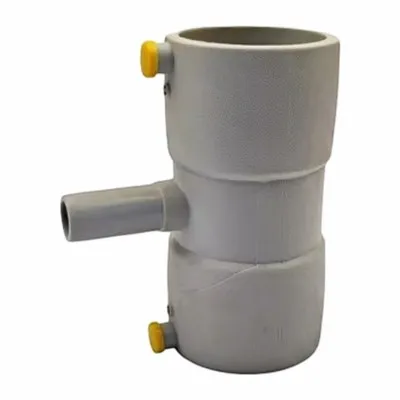
If you’re looking for reliable thin-wall electrofusion fittings or have questions about a specific project, our team is here to help. We can walk you through setup, share custom settings for your pipe size, and make sure you have everything you need to get the job done right the first time. Reach out to us to discuss your next project—we’re ready to support your work.
U-PVC Fittings References
ISO 21307: Plastics pipes and fittings – Electrofusion jointing of thermoplastics pipes and fittings for pressure applications
HDPE Pipe Fusion Best Practices, Plastics Industry Association
Thin-Wall ElectroFusion Installation Guidelines, International Plumbing Code
Qingdao Polyfusion Machinery Co., Ltd.
As one of the most professional electrofusion fittings manufacturers and suppliers in China, we have world-leading production equipment and strong manufacturing capabilities. Please feel free to buy bulk high quality electrofusion fittings from our factory.
Address: Chengyang Industry Zone, Chengyang, Qingdao, Shandong, China
E-mail: export01@qdpolyfusion.com
WebSite: https://www.polyfusionfittings.com/
