If you’ve ever worked with pipe fittings—whether you’re a DIY homeowner, a plumber, or a commercial contractor—you’ve probably wondered: do you need special tools to install pipe fittings? The short answer is… it depends. But as someone who’s been in the pipe fittings supply game for years, I can tell you that skipping the right tools doesn’t just slow you down—it can lead to leaks, loose connections, or even a total redo. Let’s break this down like we’re chatting over a coffee (way less boring than a technical manual, right?). Pipe Fittings

First, let’s get one thing straight: not all pipe fittings are created equal. You’re working with different materials—PVC, CPVC, copper, PEX, steel, cast iron—and each needs its own tooling. I’ve seen so many people grab a random wrench and call it a day, only to end up with a pipe that spins, a fitting that cracks, or a leak that pops up three months later. That’s the kind of mistake that makes customers come back to us frustrated, so let’s avoid that.
Let’s start with the most common type: threaded fittings, especially those made of steel or brass. If you’re working with black steel pipe for gas lines or schedule 40 brass for water lines, you can’t just use a regular adjustable wrench. Wait, hold on—an adjustable wrench is okay for small jobs, but if you’re dealing with anything over 1 inch in diameter, a pipe wrench is non-negotiable. Pipe wrenches have those serrated jaws that grip the pipe without slipping, which is way better than a smooth adjustable wrench that can mar the pipe or send it spinning (ask me how I know that—once a customer tried to use a crescent wrench on a 2-inch steel pipe and sent the whole thing flying into a sink, ruining a $500 vanity. Oops). Also, you need pipe thread compound (or Teflon tape, depending on the material) but that’s not a tool—wait, no, the tool here is the pipe wrench, and maybe a pipe vise. A vise holds the pipe steady while you tighten the fitting, so you’re not trying to grip something that’s wobbly. For threaded fittings, skipping the pipe wrench means you’re risking a loose connection that leaks. I’ve had so many clients come to us after a DIY job where they used a regular wrench on threaded fittings—9 times out of 10, the threads are stripped, and they need a whole new set of fittings.
Next up: plastic fittings, like PVC or CPVC. This is where I see the most shortcutting, and it’s a problem. You can’t use a saw to cut PVC pipes cleanly and accurately—you need a PVC pipe cutter. A hacksaw leaves ragged edges, which means the fitting won’t slide on properly, and you’ll have to sand it down, which is a waste of time. A PVC cutter is cheap, takes 2 seconds to use, and gives you a straight cut every time. Then, to deburr the inside and outside of the pipe after cutting, you need a reaming tool. If you don’t ream, little plastic shavings get stuck in the fitting, which can clog the line over time—especially for water supply lines. I had a customer last month who skipped reaming, and his shower head got clogged within a week because of plastic bits. He had to replace the whole PVC run after calling us for a replacement set. For CPVC, it’s similar, but sometimes you need a solvent cement application tool—like a brush with a good grip—to spread the cement evenly. Don’t use a random paintbrush; those leave uneven layers, and the bond won’t be strong enough.
PEX fittings are another big one now—they’re super popular for residential plumbing because they’re flexible and easy to work with. But you can’t just crimp a PEX fitting with any tool. You need a PEX crimp tool (or a clamp tool, depending on the fitting type). I’ve seen people use pliers to squeeze the crimp ring, and that’s a no-go—you won’t get a uniform, tight seal, and the ring can come off. PEX tools are designed to apply the exact amount of pressure needed, so you don’t over-crimp (which can crack the fitting) or under-crimp (which leaks). There are also expansion tools for PEX fittings, which are a must if you’re working with expansion-style fittings. Again, skipping this leads to leaks, and we end up replacing way too many PEX fittings because of bad installations.
Copper fittings are trickier, especially when you’re soldering them. You need a torch (not a lighter or a kitchen torch—wait, a kitchen torch might work for small jobs, but a professional torch gives you consistent heat) and a soldering pick to clean the pipes and fittings before soldering. Also, you need flux—spread that on the pipe and fitting before heating, or the solder won’t flow properly. I’ve seen people skip flux too, and the soldered joint breaks within a year. For compression-style copper fittings, you need a wrench to tighten the compression nut—not too tight, or you crack the fitting, not too loose, or it leaks. A torque wrench for compression fittings can help, especially if you’re working on a large commercial job where consistency is key.
Now, what about the tools you might think you don’t need, but actually do? A pipe thread sealant brush—wait, Teflon tape is fine, but a small brush for applying pipe compound is way easier than trying to spread it with your fingers. Also, a fitting wrench for tight spaces—if you’re working under a sink where there’s no room for a regular pipe wrench, a basin wrench (or a small stubby pipe wrench) is essential. I can’t tell you how many times a plumber has come to us saying they couldn’t get a wrench into a tight spot, so they had to cut a pipe and start over.
Here’s the thing: as a pipe fittings supplier, we don’t just sell fittings—we sell the knowledge to install them right. We’ve seen the good, the bad, and the ugly installations, and 9 times out of 10, the issues are because someone used the wrong tool. It’s not that you have to buy a million dollar toolbox; it’s about having the right tools for the job. If you’re a DIYer doing a small bathroom project, a PVC cutter, a pipe wrench, and some Teflon tape will get you through. If you’re a contractor doing a commercial job, investing in quality PEX tools, copper soldering torches, and reaming tools will save you time and money in the long run.
I also want to mention that using the right tools protects the fittings themselves. A lot of our fittings are made from high-grade materials—brass, stainless steel, engineered plastic—and rough handling with the wrong tools can crack them or damage the threads. That means you’re wasting good product, which is bad for your budget. We always tell customers that buying a $20 PVC cutter is worth more than trying to save $5 on a hacksaw and ruining a $10 PVC pipe.
Wait, let’s address a common myth: some people say “I installed pipe fittings without special tools and it worked.” Yeah, maybe it worked—for a little while. But eventually, that loose connection or ragged cut will cause a problem. I remember a customer who installed a galvanized steel pipe for a garden hose using a regular wrench; it worked for two years, then it sprung a leak in the middle of a barbecue. He had to replace the whole pipe, which cost him way more than if he’d just used a pipe wrench from the start.
So, to circle back: are special tools required? It depends on the fitting type and the job size. But in most cases, yes—you need tools that are designed for the specific material and connection type to get a secure, leak-free installation. Skipping them might seem like a way to save time or money, but it’s a short-term fix that leads to long-term headaches.
If you’re not sure which tools you need for your project, we’re here to help. We’ve got a team that can walk you through the right tools for your fittings, answer any questions about installation, and make sure you have everything you need to get the job done right. Don’t risk a leaky pipe or a redo—reach out to our team to talk through your project, and we’ll hook you up with the right fittings and the know-how to install them properly.
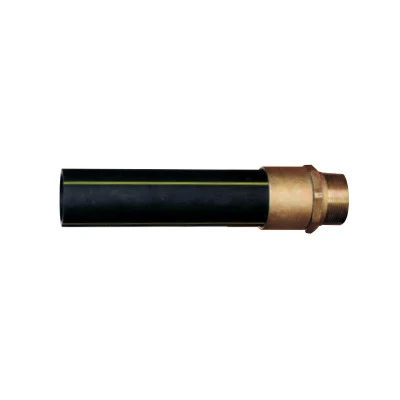
PE Steel Transition Fittings References:
- Plumbing-Heating-Cooling Contractors Association. (2021). Tool Requirements for Residential Pipe Fitting Installation. National Association of Plumbing, Heating and Cooling Contractors.
- American Society of Mechanical Engineers. (2020). Standard for Pipe Fitting Installation Practices. ASME International.
- PEX Industry Association. (2022). Tooling Guidelines for PEX Fitting Installation. PEX-IA.
- PVC Pipe & Fittings Association. (2021). Proper Cutting and Fitting Tools for PVC Plumbing. PVDFA.
Zhejiang Shengbo Pipe Fittings & Valves Industry Co., Ltd.
With abundant experience, we are one of the most professional pipe fittings manufacturers and suppliers in China. Please feel free to buy discount pipe fittings from our factory. Welcome to contact us for quotation and free sample.
Address: No. 79 Hemudu North Road, Hemudu Town, Yuyao City, Ningbo City, Zhejiang Province, China
E-mail: shengbo@zj-shengbo.com
WebSite: https://www.shengbofitting.com/
