As a supplier of Gantry Machining Center Machines, I understand the importance of ensuring good air quality around these powerful pieces of equipment. Gantry machining centers are used in various industries, including aerospace, automotive, and manufacturing, where precision and efficiency are paramount. However, the machining process often generates significant amounts of pollutants, such as dust, metal particles, and fumes, which can pose health risks to workers and affect the performance of the machines themselves. In this blog post, I will share some practical tips on how to ensure the air quality around a Gantry Machining Center Machine. Gantry Machining Center Machine
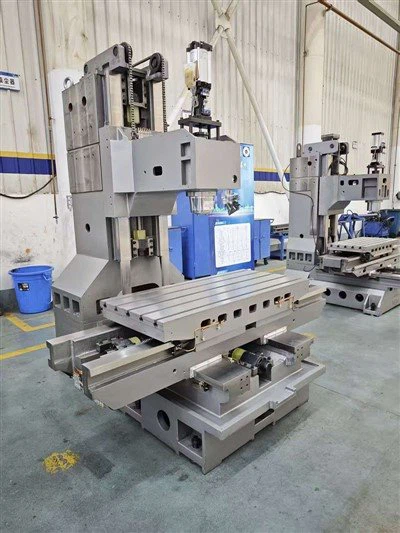
Understand the Sources of Air Pollution
The first step in ensuring good air quality is to understand the sources of pollution generated by the Gantry Machining Center Machine. During the machining process, materials such as metals, plastics, and composites are cut, drilled, and milled, which can produce fine dust particles and metal chips. In addition, coolants and lubricants used in the machining process can evaporate, releasing fumes and vapors into the air. These pollutants can be inhaled by workers, causing respiratory problems, allergies, and other health issues. They can also accumulate on the machine components, leading to premature wear and tear, and reducing the overall efficiency of the machine.
Implement Proper Ventilation Systems
One of the most effective ways to control air pollution around a Gantry Machining Center Machine is to implement a proper ventilation system. A well-designed ventilation system can remove pollutants from the air and replace them with fresh air, creating a healthier and safer working environment. There are several types of ventilation systems available, including local exhaust ventilation (LEV) systems, general ventilation systems, and downdraft tables.
- Local Exhaust Ventilation (LEV) Systems: LEV systems are designed to capture pollutants at the source before they can spread into the surrounding air. These systems typically consist of a hood or enclosure placed near the machining area, a ductwork system to transport the pollutants, and a fan to create the necessary airflow. LEV systems are highly effective in removing dust, fumes, and other pollutants from the air, and they can be customized to meet the specific needs of the Gantry Machining Center Machine.
- General Ventilation Systems: General ventilation systems are used to provide fresh air to the entire workspace and dilute the concentration of pollutants in the air. These systems typically consist of fans, ducts, and air handling units that circulate the air throughout the facility. General ventilation systems are less effective in removing pollutants at the source, but they can help to maintain a comfortable and healthy working environment by providing adequate ventilation.
- Downdraft Tables: Downdraft tables are designed to capture dust and other pollutants generated during the machining process by creating a downward airflow through the table surface. These tables are typically used for small-scale machining operations and can be an effective way to control air pollution in a confined area.
Use High-Quality Filters
In addition to implementing a proper ventilation system, it is also important to use high-quality filters to remove pollutants from the air. Filters are an essential component of any ventilation system, as they can trap dust, metal particles, and other pollutants before they can be released into the surrounding air. There are several types of filters available, including particulate filters, activated carbon filters, and HEPA filters.
- Particulate Filters: Particulate filters are designed to remove dust, pollen, and other large particles from the air. These filters typically have a mesh or fibrous structure that traps the particles as the air passes through. Particulate filters are available in various grades, depending on the size of the particles they can remove.
- Activated Carbon Filters: Activated carbon filters are designed to remove odors, gases, and other volatile organic compounds (VOCs) from the air. These filters use activated carbon, a highly porous material, to adsorb the pollutants. Activated carbon filters are effective in removing a wide range of pollutants, but they have a limited capacity and need to be replaced regularly.
- HEPA Filters: HEPA (High-Efficiency Particulate Air) filters are designed to remove very small particles, such as bacteria, viruses, and fine dust, from the air. These filters are capable of removing up to 99.97% of particles that are 0.3 microns in size or larger. HEPA filters are commonly used in cleanrooms and other environments where high levels of air quality are required.
Maintain the Machines Regularly
Regular maintenance of the Gantry Machining Center Machine is essential to ensure its optimal performance and to minimize the generation of pollutants. By keeping the machine clean and well-maintained, you can reduce the amount of dust and debris that is generated during the machining process. Here are some tips for maintaining the machine:
- Clean the Machine Regularly: Use a vacuum cleaner or compressed air to remove dust and debris from the machine components, including the Table, spindles, and tool holders. Pay special attention to hard-to-reach areas where dust can accumulate.
- Lubricate the Machine Properly: Proper lubrication of the machine components can reduce friction and wear, which can help to minimize the generation of metal particles. Follow the manufacturer’s recommendations for lubrication intervals and use the recommended lubricants.
- Inspect the Machine Regularly: Regularly inspect the machine for any signs of wear, damage, or malfunction. Replace any worn or damaged parts promptly to prevent further problems.
- Use High-Quality Cutting Tools: Using high-quality cutting tools can improve the machining efficiency and reduce the amount of heat and friction generated during the machining process. This can help to minimize the generation of dust and debris.
Train the Workers
Proper training of the workers is essential to ensure that they understand the importance of air quality and know how to operate the Gantry Machining Center Machine safely and effectively. Here are some tips for training the workers:
- Provide Training on Air Quality: Train the workers on the sources of air pollution generated by the Gantry Machining Center Machine and the health risks associated with exposure to these pollutants. Teach them how to use the ventilation system and other air quality control measures effectively.
- Train the Workers on Machine Operation: Provide comprehensive training on the operation of the Gantry Machining Center Machine, including how to set up the machine, load and unload the workpieces, and use the cutting tools. Make sure the workers understand the safety procedures and know how to avoid accidents.
- Encourage Good Housekeeping Practices: Encourage the workers to maintain a clean and tidy workspace by removing dust and debris regularly. Provide them with the necessary cleaning tools and materials and make sure they know how to use them safely.
Monitor the Air Quality
Regular monitoring of the air quality around the Gantry Machining Center Machine is essential to ensure that the air quality control measures are effective and that the workers are not exposed to harmful levels of pollutants. Here are some tips for monitoring the air quality:
- Use Air Quality Monitoring Equipment: Use air quality monitoring equipment, such as particulate matter sensors and gas detectors, to measure the concentration of pollutants in the air. Place the monitoring equipment in strategic locations around the machine to ensure that the air quality is being monitored effectively.
- Keep Records of the Air Quality Monitoring Results: Keep records of the air quality monitoring results to track the trends over time and to identify any potential problems. Use this information to make adjustments to the air quality control measures as needed.
- Conduct Regular Health Screenings: Conduct regular health screenings of the workers to monitor their health and to detect any early signs of health problems related to exposure to pollutants. Provide the workers with appropriate medical treatment and support if necessary.
Conclusion
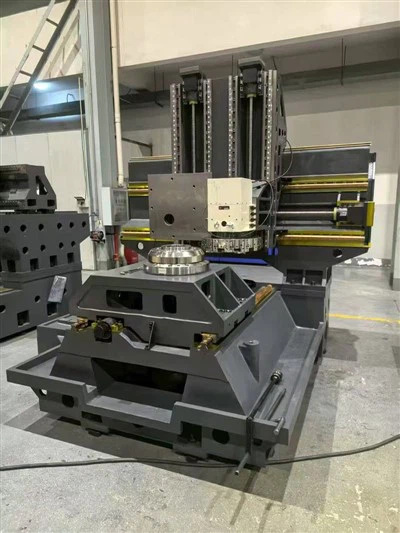
Ensuring good air quality around a Gantry Machining Center Machine is essential for the health and safety of the workers and the optimal performance of the machine. By implementing a proper ventilation system, using high-quality filters, maintaining the machine regularly, training the workers, and monitoring the air quality, you can effectively control the air pollution generated by the machine and create a healthier and safer working environment.
Vertical Machining Center Frame As a supplier of Gantry Machining Center Machines, I am committed to providing our customers with high-quality machines and comprehensive support services. If you are interested in learning more about our products or need assistance with ensuring the air quality around your Gantry Machining Center Machine, please feel free to contact us for a procurement discussion. We look forward to working with you to meet your machining needs.
References
- American Conference of Governmental Industrial Hygienists (ACGIH). (2023). Threshold Limit Values for Chemical Substances and Physical Agents and Biological Exposure Indices.
- Occupational Safety and Health Administration (OSHA). (2023). Air Contaminants Standard.
- National Institute for Occupational Safety and Health (NIOSH). (2023). Criteria for a Recommended Standard: Occupational Exposure to Airborne Contaminants.
Smartech Machinery & Equipment Co., Ltd.
As one of the most professional gantry machining center machine manufacturers and suppliers in China, we also support customized service. Please rest assured to buy bulk gantry machining center machine made in China here from our factory. Contact us for more details.
Address: Room 2832, Changping Commercial Mansion, Shihua Road, Futian Free Trade Zone, Shenzhen, China
E-mail: smartech@smartechcnc.cn
WebSite: https://www.smartech-cnc.com/
