Routing a wire harness effectively is a critical process in various industries, from automotive and aerospace to consumer electronics. As a wire harness supplier, I’ve witnessed firsthand the impact of efficient wire harness routing on product performance, reliability, and cost – effectiveness. In this blog, I’ll share some key strategies and best practices for routing wire harnesses effectively. Wire Harness

Understanding the Basics of Wire Harness Routing
Before delving into the routing techniques, it’s essential to understand what a wire harness is and why proper routing matters. A wire harness is a group of electrical wires bundled together to transmit power or signals. These wires are often wrapped in a protective sheath to prevent damage from abrasion, moisture, and other environmental factors.
Effective routing ensures that the wires are organized in a way that minimizes interference between different circuits, reduces the risk of short – circuits, and makes the harness easier to install and maintain. Poor routing can lead to signal degradation, increased electromagnetic interference (EMI), and even safety hazards.
Planning the Routing Path
The first step in effective wire harness routing is to plan the path that the harness will take. This involves considering the physical layout of the equipment or vehicle where the harness will be installed. Here are some factors to keep in mind:
- Avoid Sharp Bends: Wires should be routed in a way that avoids sharp bends, as these can cause stress on the wires and lead to breakage over time. A general rule of thumb is to maintain a minimum bend radius of at least 10 times the wire diameter.
- Separate Power and Signal Wires: Power wires can generate electromagnetic fields that may interfere with signal wires. To minimize this interference, power and signal wires should be routed separately. If they must cross, they should do so at a 90 – degree angle.
- Consider Accessibility: The routing path should allow for easy access to the harness for installation, maintenance, and repair. This means avoiding areas that are difficult to reach or that may be blocked by other components.
Using Proper Support and Protection
Once the routing path is planned, it’s important to use proper support and protection for the wire harness. This helps to prevent the wires from moving around, which can cause abrasion and damage.
- Cable Ties and Clamps: Cable ties and clamps are commonly used to secure the wire harness to various components. They should be spaced evenly along the harness to provide adequate support. When using cable ties, make sure not to overtighten them, as this can damage the wires.
- Conduits and Looms: Conduits and looms provide additional protection for the wire harness. Conduits are rigid tubes that can be used to enclose the harness, while looms are flexible sleeves. Both can help to protect the wires from abrasion, moisture, and other environmental factors.
- Grommets: Grommets are used to protect the wires where they pass through holes in metal or other hard surfaces. They prevent the edges of the holes from cutting into the wires.
Managing Wire Length
Proper management of wire length is crucial for effective wire harness routing. Excess wire length can lead to a messy and unorganized harness, while insufficient length can cause stress on the wires and make installation difficult.
- Measure Twice, Cut Once: Before cutting the wires, it’s important to measure the required length accurately. This may involve taking into account the routing path, any bends or curves, and the connections at each end of the wire.
- Use Slack for Flexibility: While it’s important to avoid excess wire length, it’s also necessary to leave some slack in the wires to allow for movement and flexibility. This is especially important in applications where the equipment may vibrate or move.
Minimizing Electromagnetic Interference (EMI)
Electromagnetic interference (EMI) can be a significant problem in wire harness routing, especially in high – frequency applications. EMI can cause signal degradation, errors in electronic systems, and even complete system failure.
- Shielding: One of the most effective ways to minimize EMI is to use shielded wires. Shielded wires have a conductive layer around the insulation that helps to block electromagnetic fields. The shield should be properly grounded to ensure its effectiveness.
- Twisted Pairs: Twisted pairs of wires can also help to reduce EMI. The twisting of the wires cancels out the electromagnetic fields generated by the current flowing through them, reducing the interference.
- Proper Grounding: Proper grounding is essential for minimizing EMI. All components in the system should be grounded to a common ground point to ensure that any stray electrical currents are safely dissipated.
Testing and Quality Control
After the wire harness is routed and installed, it’s important to conduct thorough testing and quality control. This helps to ensure that the harness is functioning properly and meets the required specifications.
- Continuity Testing: Continuity testing is used to check if there is a continuous electrical path through each wire in the harness. This can be done using a multimeter or other testing equipment.
- Insulation Resistance Testing: Insulation resistance testing is used to measure the resistance of the insulation between the wires. Low insulation resistance can indicate a problem with the insulation, such as a short – circuit or a damaged wire.
- EMI Testing: EMI testing is used to measure the electromagnetic emissions from the wire harness. This helps to ensure that the harness is not generating excessive EMI that could interfere with other electronic systems.
Training and Skill Development
Effective wire harness routing requires a certain level of skill and knowledge. As a wire harness supplier, we invest in training our employees to ensure that they have the necessary skills to route wire harnesses effectively.
- Technical Training: Our employees receive technical training on topics such as wire selection, routing techniques, and testing procedures. This helps them to understand the principles behind wire harness routing and how to apply them in practice.
- Hands – on Experience: In addition to technical training, our employees gain hands – on experience by working on real – world projects. This allows them to develop their skills and learn from their mistakes.
Collaboration with Customers
As a wire harness supplier, we work closely with our customers to understand their specific requirements and develop customized solutions. Collaboration is key to ensuring that the wire harness is routed effectively and meets the customer’s needs.
- Design Review: We conduct design reviews with our customers to ensure that the wire harness design is optimized for routing. This may involve suggesting changes to the layout or the materials used.
- Prototyping: We often build prototypes of the wire harness for our customers to test. This allows us to identify any potential issues with the routing and make adjustments before mass production.
Conclusion
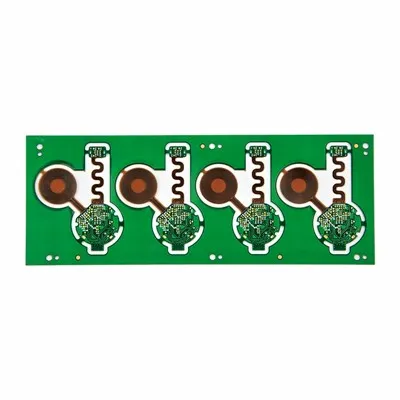
Routing a wire harness effectively is a complex process that requires careful planning, proper support and protection, and thorough testing. As a wire harness supplier, we are committed to providing our customers with high – quality wire harnesses that are routed effectively. By following the strategies and best practices outlined in this blog, we can help our customers to improve the performance, reliability, and cost – effectiveness of their products.
Rigid PCB If you are in need of wire harnesses for your project, we would be delighted to discuss your requirements. Our team of experts can provide you with customized solutions and ensure that your wire harnesses are routed effectively. Contact us today to start the conversation and explore how we can meet your wire harness needs.
References
- "Electrical Wiring Handbook" by Terrell Croft and Wilford Summers
- "Automotive Electrical and Electronic Systems" by William H. Crouse and Donald L. Anglin
- "Handbook of Electronic Packaging Design and Engineering" edited by Richard C. Jaeger and Paul R. Swanson
Huaswin Electronics Technology Co., Ltd.
With abundant experience, we are one of the most professional wire harness manufacturers and suppliers in China. Welcome to wholesale customized wire harness at competitive price from our factory. If you have any enquiry about pricelist, please feel free to email us.
Address: Building A2, Hao Hai Hong Industrial Park, No.3 Yu He Road, Gong He, Sha Jing, Bao An, Shenzhen
E-mail: sales@huaswin.com
WebSite: https://www.huaswin-pcba.com/
