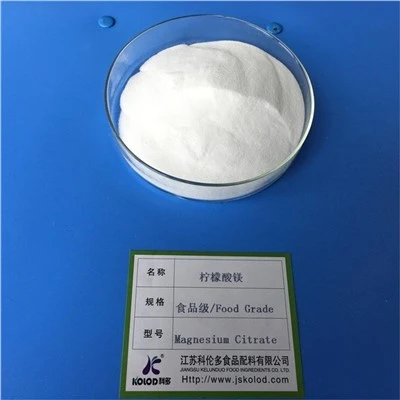
Citrates are a group of salts derived from citric acid, a naturally occurring organic acid found in citrus fruits. In the dairy industry, citrates play a crucial role in enhancing the quality, stability, and safety of various dairy products. As a leading citrates supplier, I have witnessed firsthand the diverse functions and benefits that citrates bring to the dairy sector. In this blog, I will delve into the key functions of citrates in dairy products, highlighting their importance and practical applications. Citrates
1. pH Regulation
One of the primary functions of citrates in dairy products is pH regulation. The pH level of dairy products significantly affects their texture, flavor, and shelf life. Citrates act as buffering agents, helping to maintain a stable pH within a desired range. For instance, in cheese production, citrates can be used to adjust the pH of milk during the coagulation process. By controlling the pH, citrates influence the activity of rennet, an enzyme responsible for curdling milk. This ensures proper curd formation and improves the texture and quality of the cheese.
In yogurt and other fermented dairy products, citrates can help regulate the pH during fermentation. They prevent excessive acidification, which can lead to a sour taste and undesirable texture. By maintaining an optimal pH, citrates promote the growth of beneficial bacteria, such as Lactobacillus and Bifidobacterium, which are essential for the fermentation process and contribute to the product’s health benefits.
2. Chelation of Metal Ions
Citrates have the ability to chelate metal ions, such as calcium, magnesium, and iron. In dairy products, the presence of metal ions can cause various problems, including protein precipitation, flavor deterioration, and oxidative rancidity. By chelating these metal ions, citrates prevent their interaction with proteins and other components in the dairy product, thereby improving its stability and quality.
For example, in milk and dairy beverages, calcium ions can react with casein, a major milk protein, to form insoluble complexes. This can lead to sedimentation and a decrease in the product’s clarity. Citrates can bind to calcium ions, preventing their interaction with casein and maintaining the stability of the milk or beverage. Additionally, citrates can chelate iron ions, which are known to catalyze the oxidation of lipids in dairy products. By preventing lipid oxidation, citrates help to preserve the flavor and aroma of the product and extend its shelf life.
3. Emulsification and Stabilization
Citrates can act as emulsifiers and stabilizers in dairy products. Emulsions are mixtures of two immiscible liquids, such as oil and water. In dairy products, emulsions are often formed during the processing of cream, butter, and ice cream. Citrates can help to stabilize these emulsions by reducing the surface tension between the oil and water phases, preventing the droplets from coalescing and separating.
In addition to emulsification, citrates can also improve the stability of dairy products by preventing the formation of ice crystals in frozen products. In ice cream, for example, citrates can help to control the size and distribution of ice crystals, resulting in a smoother and creamier texture. They can also prevent the formation of lactose crystals, which can cause a gritty texture in the ice cream.
4. Flavor Enhancement
Citrates can enhance the flavor of dairy products in several ways. First, they can act as acidulants, providing a tart and refreshing flavor. In some dairy products, such as yogurt and cheese, a slightly acidic flavor is desirable. Citrates can help to achieve this by adjusting the pH and providing a subtle acid taste.
Second, citrates can interact with other flavor compounds in the dairy product, enhancing their perception and creating a more complex and balanced flavor profile. For example, citrates can enhance the fruity and citrusy notes in dairy products, making them more appealing to consumers.
5. Antimicrobial Activity
Citrates have been shown to have antimicrobial activity against a variety of microorganisms, including bacteria, yeasts, and molds. In dairy products, the growth of these microorganisms can lead to spoilage, off-flavors, and health risks. By inhibiting the growth of microorganisms, citrates can help to extend the shelf life of dairy products and improve their safety.
The antimicrobial activity of citrates is thought to be due to their ability to lower the pH of the product and chelate metal ions, which are essential for the growth and survival of microorganisms. Additionally, citrates can disrupt the cell membranes of microorganisms, leading to their death.
6. Nutritional Benefits
Citrates are a source of dietary citrate, which is an important metabolite in the body. Citrate plays a role in several physiological processes, including energy metabolism, calcium absorption, and acid-base balance. In dairy products, the addition of citrates can provide a small amount of dietary citrate, which may have potential health benefits.
For example, citrate has been shown to increase the solubility of calcium in the gut, improving its absorption. This can be beneficial for maintaining bone health, especially in individuals who are at risk of osteoporosis. Additionally, citrate can help to prevent the formation of kidney stones by binding to calcium and other minerals in the urine, preventing their precipitation.
Practical Applications of Citrates in Dairy Products
The functions of citrates in dairy products have led to their widespread use in various applications. Here are some common examples:
- Cheese Production: Citrates are used in cheese production to adjust the pH, improve curd formation, and enhance the texture and flavor of the cheese. They are often added during the milk coagulation process or during the cheese aging process.
- Yogurt and Fermented Dairy Products: Citrates are used in yogurt and other fermented dairy products to regulate the pH during fermentation, prevent excessive acidification, and enhance the flavor and texture of the product. They can also be used to improve the stability of the yogurt and prevent syneresis (the separation of whey from the curd).
- Milk and Dairy Beverages: Citrates are used in milk and dairy beverages to prevent protein precipitation, improve the stability of the product, and enhance the flavor. They can also be used to chelate metal ions and prevent oxidative rancidity.
- Ice Cream and Frozen Desserts: Citrates are used in ice cream and other frozen desserts to control the formation of ice crystals, improve the texture and creaminess of the product, and prevent the formation of lactose crystals. They can also be used to enhance the flavor and stability of the ice cream.
Conclusion
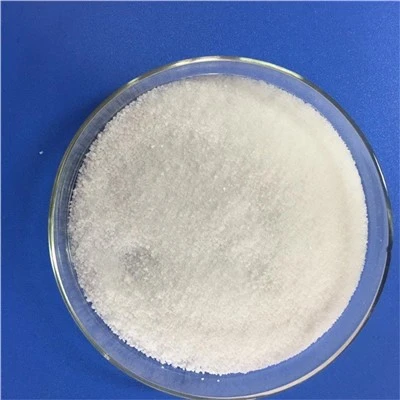
Citrates play a vital role in the dairy industry, offering a wide range of functions and benefits. From pH regulation and chelation of metal ions to emulsification, flavor enhancement, and antimicrobial activity, citrates contribute to the quality, stability, and safety of dairy products. As a citrates supplier, I am committed to providing high-quality citrates that meet the specific needs of the dairy industry.
Monosodium Phosphate If you are a dairy producer or manufacturer looking to improve the quality and performance of your products, I invite you to contact me to discuss how citrates can benefit your business. Our team of experts can provide you with detailed information on the functions and applications of citrates in dairy products, as well as guidance on the selection and use of the right citrates for your specific needs. We look forward to working with you to achieve your goals and deliver high-quality dairy products to your customers.
References
- Fox, P. F., Guinee, T. P., Cogan, T. M., & McSweeney, P. L. H. (2017). Cheese: Chemistry, Physics, and Microbiology (4th ed.). Academic Press.
- Tamime, A. Y., & Robinson, R. K. (2007). Yoghurt: Science and Technology (3rd ed.). Woodhead Publishing.
- Walstra, P., Wouters, J. T. M., & Geurts, T. J. (2006). Dairy Science and Technology. CRC Press.
Jiangsu Kolod Food Ingredients Co., Ltd.
As one of the most professional citrates manufacturers and suppliers in China, we’re featured by quality products and good price. Please rest assured to wholesale bulk citrates made in China here and get free sample from our factory. Customized orders are welcome.
Address: South Side of Weier Road, Guanyun Development Zone, Lianyungang City, Jiangsu Province, China
E-mail: sales1399@jskolod.com
WebSite: https://www.kolod-group.com/
