Hey there! As a supplier of mains plugs, I get asked a lot about the difference between two – pin and three – pin mains plugs. It might seem like a small thing, but it actually makes a big difference in terms of safety and functionality. So, let’s dive right in and break it down. Mains Plug
Physical Appearance
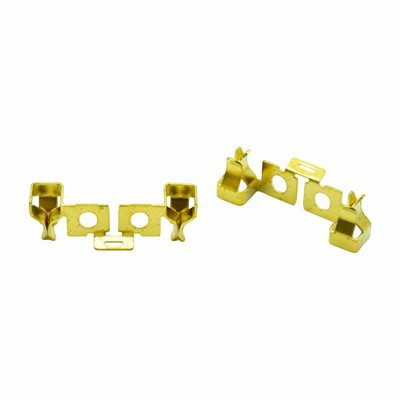
First off, let’s talk about how they look. A two – pin plug is pretty straightforward. It’s got two flat prongs sticking out from the base of the plug. These prongs are usually made of a conductive metal, like copper, and they’re designed to fit into the corresponding slots in a socket. It’s a simple design that’s been around for ages.
On the other hand, a three – pin plug has an extra prong. In addition to the two flat prongs you see in a two – pin plug, there’s a third, usually round or U – shaped prong at the top or bottom. This extra prong is what sets it apart from the two – pin plug and gives it some important safety features.
Electrical Functionality
Now, let’s get into how they work. A two – pin plug is used for appliances that don’t require an earth connection. In a two – pin electrical system, there are two wires: the live wire and the neutral wire. The live wire carries the electrical current from the power source to the appliance, while the neutral wire provides a return path for the current back to the power source.
Most small, double – insulated appliances use two – pin plugs. Think about things like your phone charger, a small table lamp, or a handheld electric razor. These appliances are designed in such a way that they have an extra layer of insulation between the electrical components and the outer surface of the device. This double insulation helps prevent electrical shocks in case there’s a problem with the internal wiring.
A three – pin plug, on the other hand, is used for appliances that need an earth connection. Along with the live and neutral wires, there’s a third wire called the earth wire. This wire is connected to the extra prong in the three – pin plug. The earth wire provides a low – resistance path to the ground.
When an electrical fault occurs in an appliance with a three – pin plug, like a short circuit where the live wire touches the metal casing of the appliance, the earth wire allows the electrical current to flow safely to the ground. This helps prevent the metal casing from becoming live, which could otherwise give someone a serious electrical shock. Appliances like refrigerators, washing machines, and electric heaters are typically fitted with three – pin plugs because they have metal casings that could become dangerous if they were to become live.
Safety Features
Safety is a huge factor when it comes to choosing between a two – pin and a three – pin plug. Two – pin plugs rely on double insulation to keep users safe. As long as the double insulation is intact, there’s a low risk of electrical shock. However, if the insulation gets damaged over time due to wear and tear, or if there’s a manufacturing defect, there could be a risk.
Three – pin plugs, with their earth connection, offer an extra layer of safety. In the event of a fault, the earth wire helps divert the electrical current away from the user. This is especially important for larger appliances that are more likely to experience electrical faults due to their complex electrical systems and the amount of power they consume.
Compatibility and Regulations
Another thing to consider is compatibility and regulations. Different countries have different standards when it comes to mains plugs. In some countries, two – pin plugs are the norm for most appliances, while in others, three – pin plugs are required for all but the smallest, double – insulated devices.
For example, in the United States, you’ll often see two – pin plugs for small appliances, but many larger appliances also use three – pin plugs with a grounding prong. In the United Kingdom, three – pin plugs are standard for most electrical appliances. The UK plug design has been specifically engineered to be very safe, with features like shutters on the socket to prevent accidental contact with the live and neutral pins.
If you’re planning to use an appliance in a different country, you need to make sure it’s compatible with the local electrical system. You might need to use a plug adapter or, in some cases, have the plug replaced to meet the local standards.
Cost and Availability
Cost is also a factor to think about. Generally, two – pin plugs are simpler to manufacture and are therefore a bit cheaper. They’re also more widely available because they’re used in a lot of small, everyday appliances.
Three – pin plugs are more complex due to the extra earth connection. This means they’re usually a bit more expensive to produce. However, they’re still very common and can be found in most hardware stores and electrical supply shops.
Environmental Impact
We can’t forget about the environmental impact either. When it comes to the manufacturing process, two – pin plugs require less material because they have fewer parts. This can potentially mean a lower environmental impact in terms of raw material extraction and waste generation.
However, from a safety perspective, using three – pin plugs when required can prevent electrical accidents and the need for premature replacement of damaged appliances. This can actually reduce waste in the long run.
Conclusion
So, to sum it all up, the main difference between a two – pin and a three – pin mains plug lies in their safety features and electrical functionality. Two – pin plugs are simple, cost – effective, and suitable for double – insulated appliances. Three – pin plugs, on the other hand, offer an extra layer of safety through their earth connection and are used for appliances that have metal casings or require grounding.
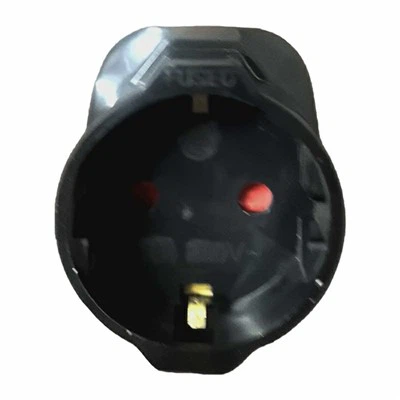
As a mains plug supplier, I’ve seen firsthand how important it is to use the right plug for the right appliance. Whether you’re looking for a simple two – pin plug for your small electronic devices or a reliable three – pin plug for your larger appliances, I’ve got you covered.
Travel Adapters If you’re in the market for mains plugs, I’d love to chat with you. I can help you find the right type of plug for your needs, whether it’s for a small home project or a large – scale commercial application. Just reach out, and we can start discussing your requirements.
References
- "Electrical Installation Guide", Institution of Engineering and Technology
- "Electrical Safety Standards around the World", International Electrotechnical Commission
Foshan Haosheng Technology Co., Ltd.
As one of the leading mains plug manufacturers and suppliers in China, we warmly welcome you to buy advanced mains plug made in China here and get pricelist from our factory. All customized products are with high quality and competitive price.
Address: No.4, Jinsha Liansha Shangliang Development Zone Avenue, Danzao Town, Nanhai District, Foshan City, Guangdong Province, China
E-mail: 13925140140@163.com
WebSite: https://www.hssocket.com/
